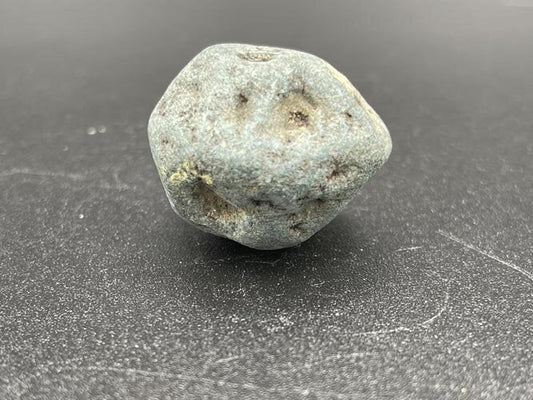
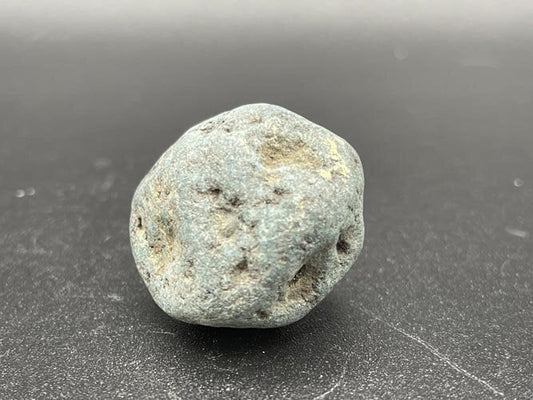
Collection: Vivianite
Vivianite is one of the more demanding minerals a collector can own, and one of the most striking. It is a hydrated iron phosphate that forms in oxygen-poor settings, in clay beds, peat and phosphate-rich sediments, and sometimes inside fossil bone and shell. It grows as bladed and prismatic crystals and as radiating sprays.
The color, and what happens to it
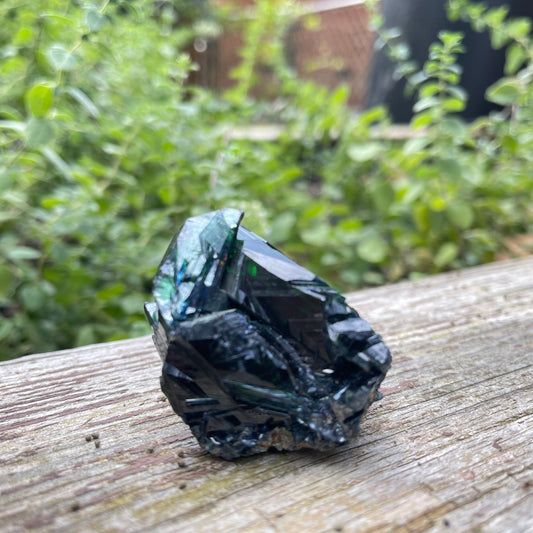
Freshly exposed vivianite can be nearly colorless or pale green. On exposure to light and air the iron oxidizes and the crystal deepens through green and blue toward a very dark blue-black. This is not a defect; it is the mineral behaving as it always has. It does mean that how you store a specimen determines how it will look in ten years, and collectors treat vivianite accordingly.
Why good pieces are scarce
Vivianite is soft, roughly 1.5 to 2 on the Mohs scale, with perfect cleavage in one direction. Blades bend, split and separate under very little pressure, so intact specimens with clean terminations survive extraction only occasionally. We buy ours directly from miners and from collectors who understand what they are handling, and every specimen is chosen individually. Most are one-of-a-kind.
Working with and caring for vivianite
In crystal tradition, vivianite is often associated with grief, memory and quiet inner work, and many people keep a specimen somewhere private rather than on open display. That happens to suit the mineral.
- Store it in a closed box or drawer, away from sunlight and strong indoor light.
- Do not wash it, as water and cleaning agents will damage the surface.
- Handle by the matrix with minimal pressure, and never wedge or pry a blade.
Expect the specimen you receive to be fragile and to show its own cleavage lines and range of color, and expect it to keep changing slowly if it sees light. Look through the vivianite we currently hold below.
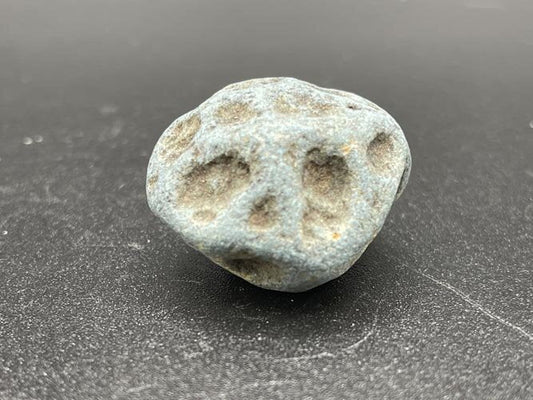
 Sold out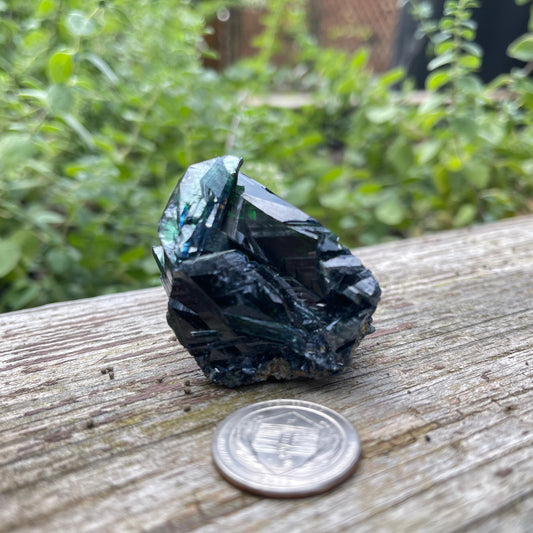
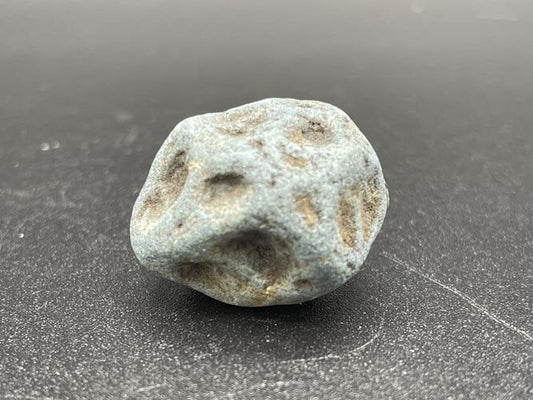
 Sold out